- We hope you had a very happy Christmas and New Year and welcome to 2013!
- We rather expected a strong market this morning when we awoke to news that the US had actually fallen off the fiscal cliff but had been caught before hitting the bottom! In other words, the rescue was certainly last minute but rescue it was. Some 2% of the wealthiest US citizens will be hit directly by higher tax rates although it seems that most will be hit in some way, shape or form.
- We were not disappointed in our expectations, markets (particularly financials) jumped in response to the news and commodities reacted strongly in early trade. However, euphoria was short lived as fund selling resumed amid low volumes as many extended their holiday break and markets added to the declines which marked the last weeks of 2012.
- We are awaiting a degree of fund rebalancing and also the key January USDA report on Friday 11th, and it appears that many are sidelining until then. With the consequent reduction in volumes we see a degree of increased price volatility as a result.
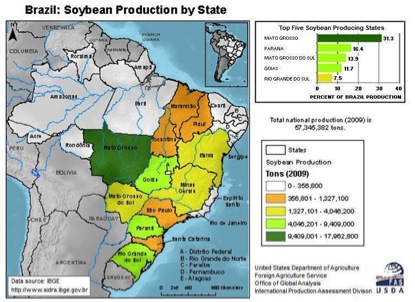
- The anticipated relief to markets, from forthcoming S American crops, may well need to be more carefully considered in the light of current weather conditions experienced in the region. Brazil’s Matto Grosso, which is responsible for some 30 plus percent of the nation’s soybean production, has
 continued to suffer dry conditions – unusual for December which is normally one of the wettest summer months. Additionally, hot conditions have accompanied the dry weather. Other growing regions further south are also affected, albeit to differing degrees. The potential is for some 45% of the total soybean crop to be adversely affected, the crop should be flowering and pod setting this month, a time when yield is most susceptible to rainfall – or lack thereof.
- The latest weather forecasts show dry conditions for the next couple of weeks in Matto Grosso and better rains further south, an area which is also a significant soybean grower. The crop outlook is therefore mixed but certainly not all good – or all bad.
- Argentina continues to suffer with excess rain, which has been the trend since September. Wheat yields and quality continue to be reportedly suffering and the outlook for corn output is similarly declining.
- As we enter the New Year the news, regrettably, shows little in the way of improvement and crop prospects continue to be plagued with negative tones.
International Agri Trading Ltd
Trading, Analysis, Consultancy